Mounjaro Side Effects: How Long Do They Last?
Introduction
Mounjaro (tirzepatide) can cause side effects, particularly when treatment is started or the dose is increased. For many people, the most noticeable effects involve the digestive system, including nausea, diarrhoea, vomiting, constipation and abdominal discomfort.
One of the most common questions people have after starting treatment is how long Mounjaro side effects last.
The answer varies from person to person. UK product information reports that gastrointestinal side effects are more common during dose escalation and generally decrease over time.
This guide explains the common side effects associated with Mounjaro, when they are most likely to occur, what you can do if they become troublesome and when you should seek medical advice.
What are the common Mounjaro side effects?
The most frequently reported side effects of tirzepatide involve the gastrointestinal system.
These include:
- nausea
- diarrhoea
- vomiting
- constipation
- abdominal pain
- indigestion
- abdominal bloating or distension
- burping
- flatulence
- acid reflux
UK product information classifies nausea, diarrhoea, vomiting, constipation and abdominal pain among the very common adverse reactions reported with tirzepatide.
Other reported effects can include dizziness, fatigue and injection-site reactions. The appropriate information depends on the individual’s treatment and other medicines they may be taking.

How long do Mounjaro side effects last?
There isn’t one fixed timeframe that applies to everyone.
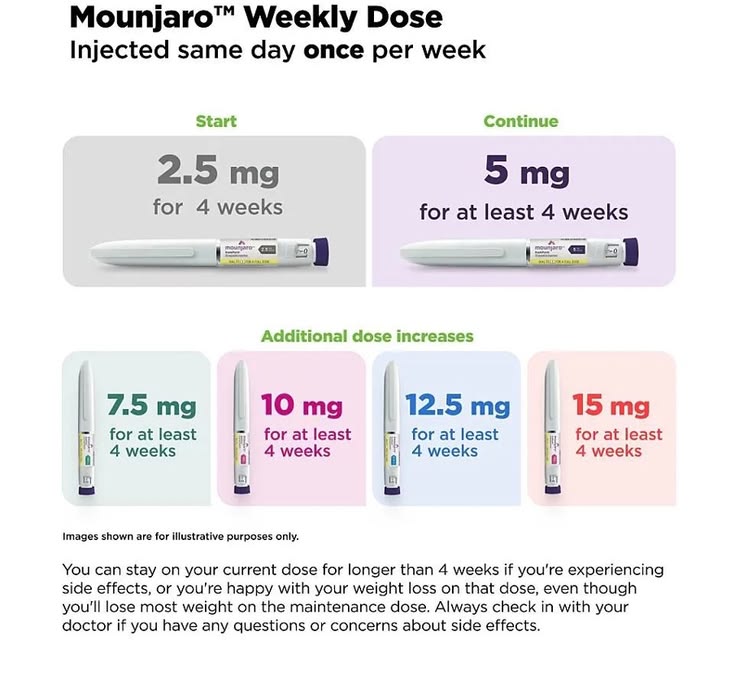
For many people, gastrointestinal side effects are temporary and become less troublesome as the body adjusts to treatment. Clinical information for tirzepatide shows that nausea, vomiting and diarrhoea are more common during dose escalation and tend to decrease over time.
How long symptoms last can depend on factors including:
- the dose you’re taking
- whether your dose has recently increased
- your individual response to tirzepatide
- other medicines you take
- your general health
- whether symptoms are caused by Mounjaro or another condition
If symptoms don’t settle or are interfering with your normal activities, speak with your prescriber or pharmacist.
Mounjaro side effects after a dose increase
Some people notice gastrointestinal symptoms when their dose increases.
This is because dose escalation is one of the periods when nausea, vomiting and diarrhoea are more frequently reported.
If you experience troublesome symptoms following a dose increase, don’t increase your dose further unless instructed by your healthcare professional.
Your prescriber can assess whether your current dose is appropriate and whether any changes are necessary.
Mounjaro nausea
Nausea is one of the most frequently reported Mounjaro side effects.
Some people find that nausea is more noticeable during the early stages of treatment or after increasing their dose.
If you’re experiencing nausea, practical measures such as eating smaller meals and maintaining adequate fluid intake may help some people. However, persistent or severe nausea should be discussed with a healthcare professional.
Mounjaro constipation
Constipation is another commonly reported gastrointestinal effect.
If constipation is troublesome or persistent, speak with your healthcare professional, particularly if you develop significant abdominal pain, vomiting or other concerning symptoms.
Don’t assume that every digestive symptom is simply a normal side effect.
Mounjaro diarrhoea
Diarrhoea can occur with tirzepatide and is reported particularly around dose escalation.
The main concern with prolonged diarrhoea is dehydration.
Drink fluids regularly and seek medical advice if symptoms are severe, persistent or accompanied by signs of dehydration or other concerning symptoms.
When should you seek medical help?
Not every side effect requires emergency treatment, but some symptoms need prompt medical assessment.
Seek urgent medical help if you experience symptoms that could indicate a serious reaction, such as:
- severe or persistent abdominal pain
- difficulty breathing
- swelling of the face, lips, tongue or throat
- severe or persistent vomiting
- symptoms of severe dehydration
- other sudden or serious symptoms that concern you
The UK product information includes rare serious hypersensitivity reactions and other uncommon adverse reactions, including acute pancreatitis.
If you’re unsure whether your symptoms require urgent attention, contact an appropriate healthcare professional or urgent medical service.
Does everyone get Mounjaro side effects?
No.
People respond differently to medicines, and experiencing side effects is not inevitable.
The clinical data shows that gastrointestinal adverse reactions are common with tirzepatide, but their severity and duration vary. In weight-management studies, most gastrointestinal reactions were described as mild or moderate.
What if my Mounjaro side effects don’t go away?
If side effects continue, become worse or significantly interfere with your daily life, contact your prescriber or pharmacist.
Your healthcare professional can review:
- your symptoms
- your current dose
- how long you’ve been experiencing symptoms
- other medicines you’re taking
- your medical history
- whether another cause could explain your symptoms
Don’t make changes to your prescribed treatment without discussing them with your healthcare professional.
Mounjaro and other medicines
It’s important to tell your healthcare professional about other medicines you’re taking before starting or changing treatment.
The suitability of tirzepatide can depend on your health circumstances and other medicines.
The UK government’s current GLP-1 guidance also highlights issues including pregnancy, contraception, surgery and other safety considerations.
Mounjaro side effects: key takeaways
The most important points are:
1. Gastrointestinal symptoms are among the most common side effects.
2. Nausea, vomiting and diarrhoea are particularly associated with dose escalation.
3. These symptoms generally decrease over time for many people.
4. Everyone responds differently.
5. Severe, persistent or concerning symptoms should be discussed with a healthcare professional.
Frequently Asked Questions
How long do Mounjaro side effects last?
There isn’t a single timeframe that applies to everyone. Gastrointestinal side effects are more common during dose escalation and generally decrease over time, but persistent or troublesome symptoms should be discussed with a healthcare professional.
Are Mounjaro side effects worse after increasing the dose?
Some gastrointestinal side effects are more frequently reported during dose escalation. If symptoms become troublesome after a dose increase, speak with your prescriber before making further changes.
Is nausea a common Mounjaro side effect?
Yes. Nausea is classified as a very common adverse reaction in the UK product information for tirzepatide.
Can Mounjaro cause constipation?
Yes. Constipation is among the gastrointestinal adverse reactions reported with tirzepatide.
When should I speak to a doctor about Mounjaro side effects?
Speak to a healthcare professional if your symptoms are severe, persistent, worsening or affecting your ability to eat, drink or carry out normal activities. Seek urgent help for serious symptoms.